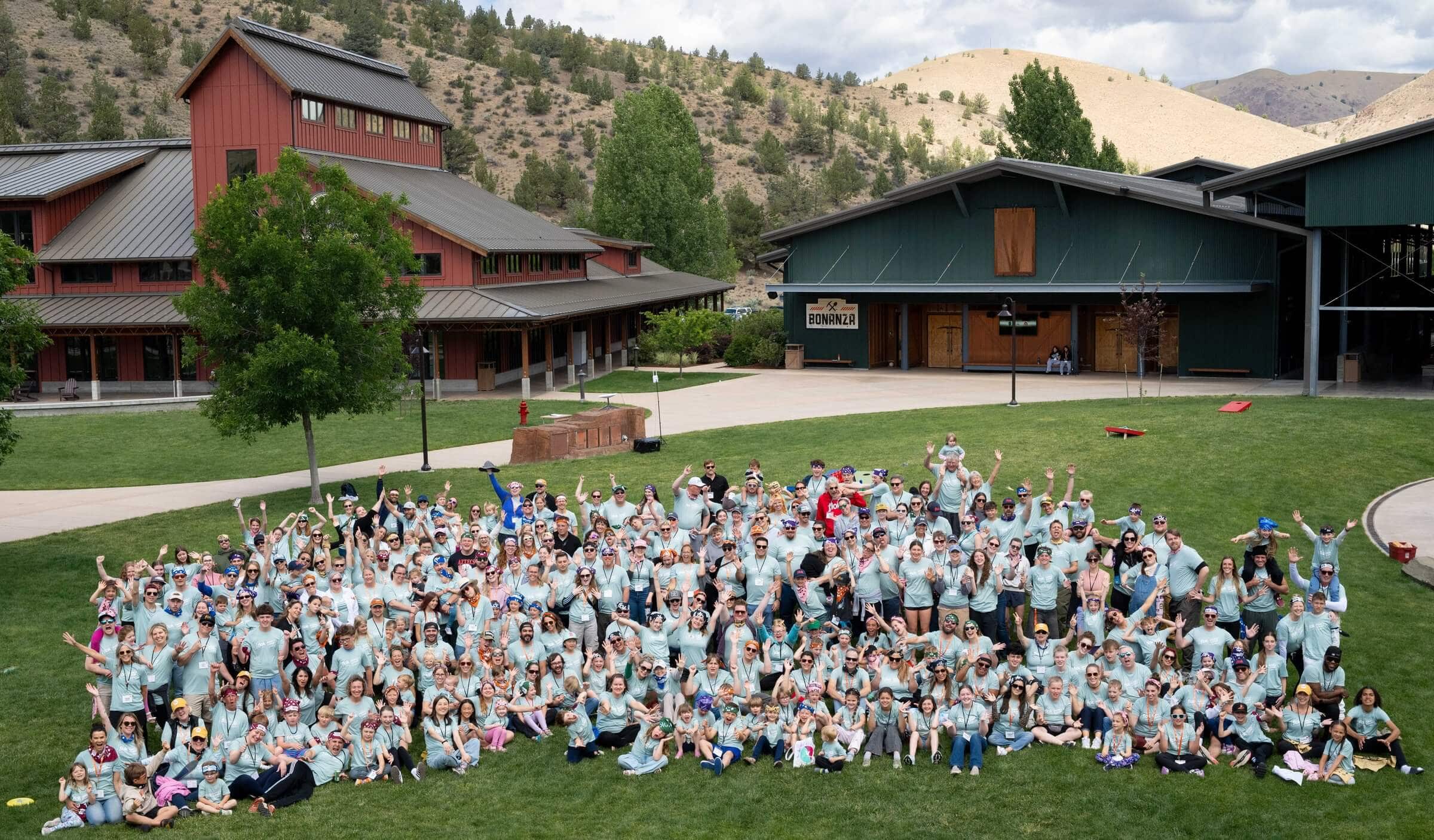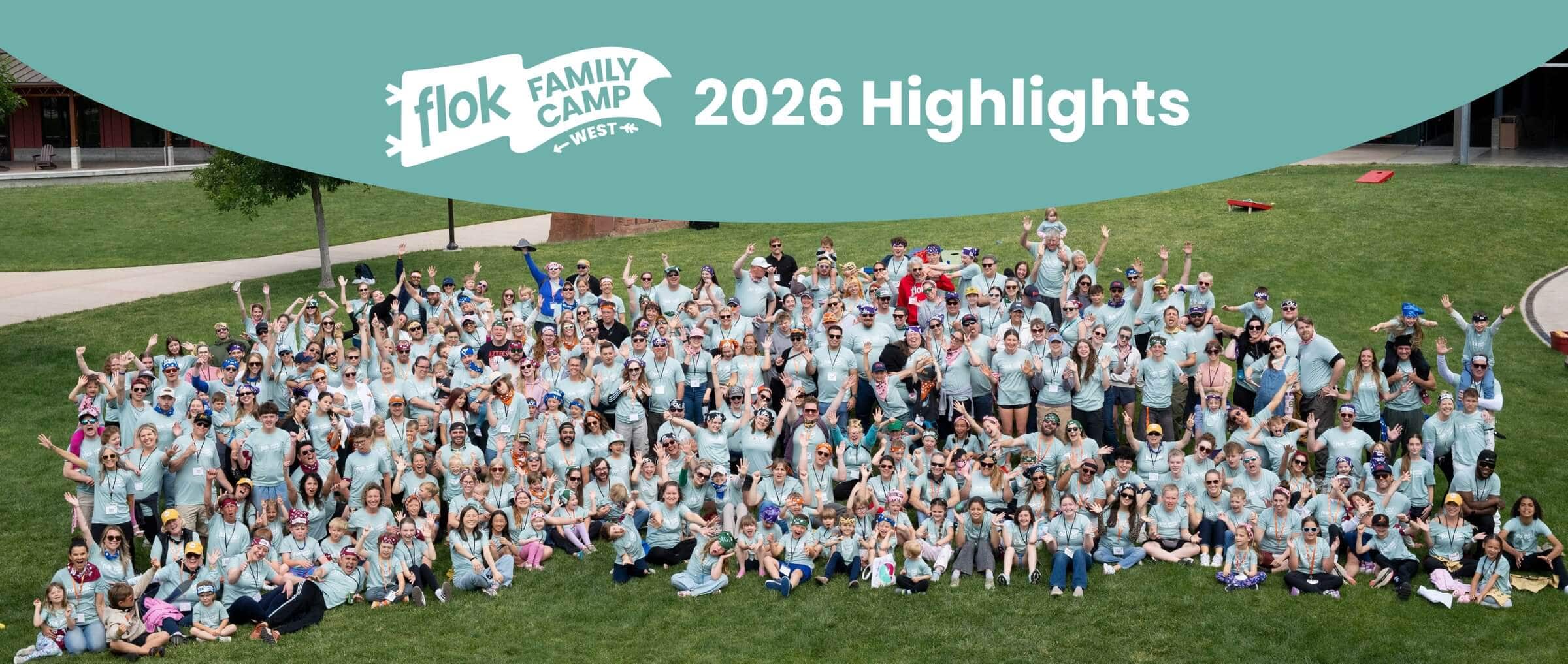
More than 400 campers gathered this June at Washington Family Ranch in Antelope, Oregon, making flok Family Camp West 2026 our largest gathering yet. Individuals and families traveled from 28 U.S. states and three countries, representing four inherited metabolic conditions (MSUD, PKU, Tyrosinemia, and Urea Cycle Disorders), for a weekend filled with connection, adventure, and gourmet low-protein food.
From waterslides and an outdoor carnival to science discussions and cooking workshops, the weekend was packed with memorable moments. But when campers reflected on what made the experience so meaningful, one theme emerged: being with a community where managing an inherited metabolic disorder simply feels like the norm.
A Place Where No Explanation is Needed
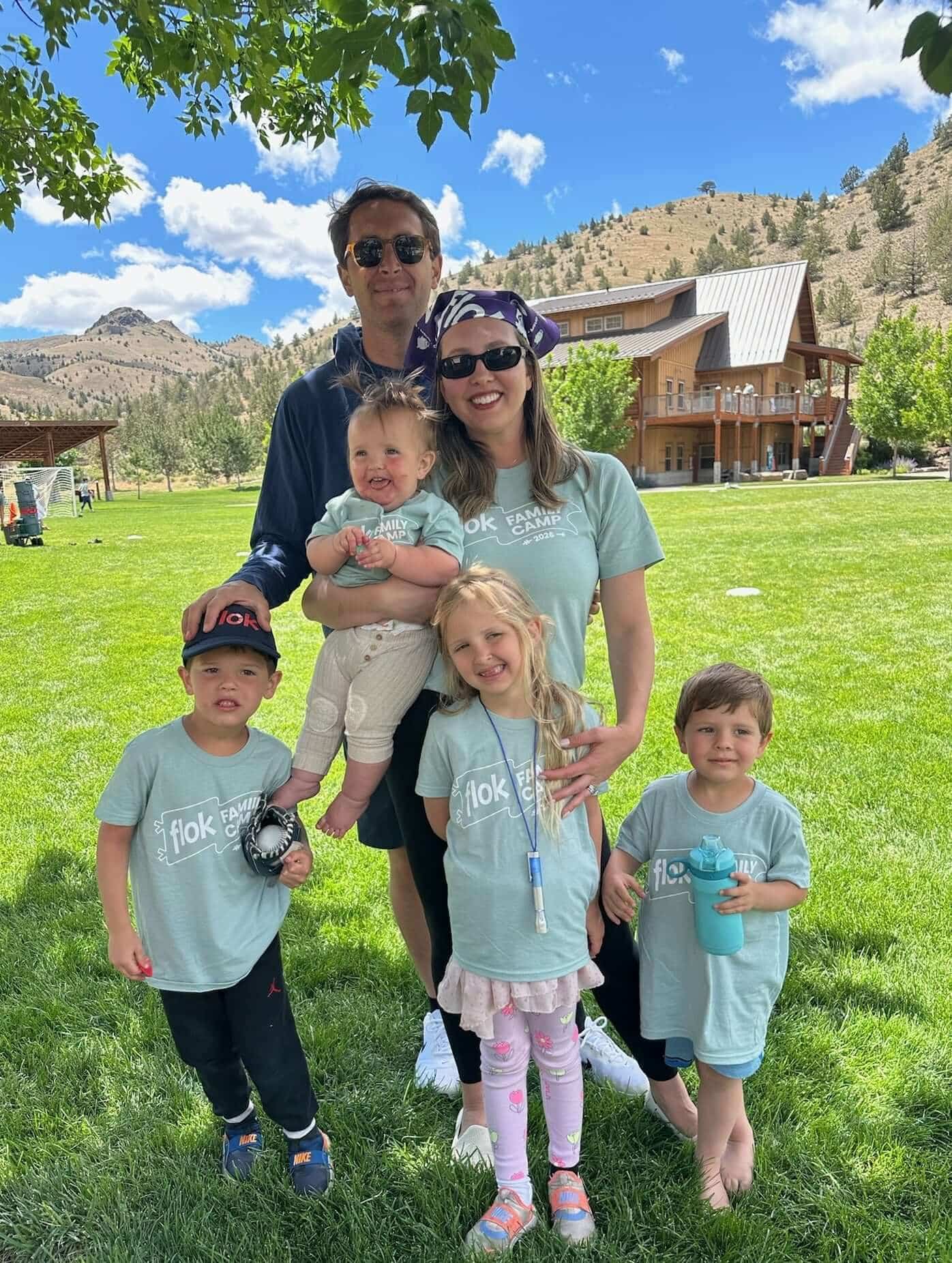
For Brianna and Pat Marra—parents of a young son with PKU who have attended six Family Camps between the coasts—one moment captured that feeling perfectly.
"I found myself with tears in my eyes when I looked over at Oliver and there were more people at the kids' table eating low protein than high."
Camp has given their son an opportunity to grow up surrounded by friends who share his experience—"Oliver has never questioned his PKU because he has so many friends who have the same diet as him that he gets to see at camp each year."
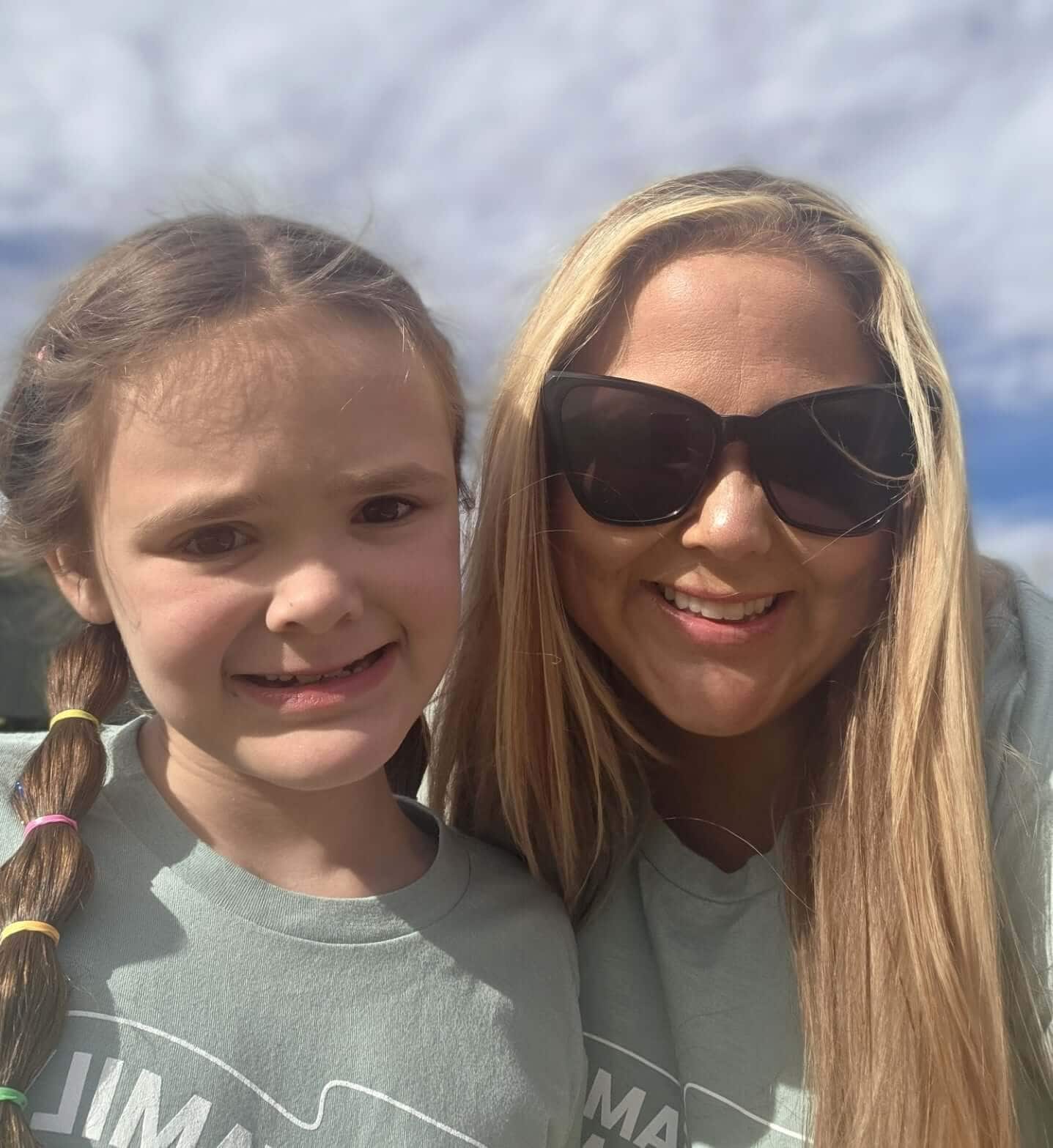
"This can be isolating. I don't know anyone outside of social media that has this condition. Even though I'm not a kid, I need that human connection and understanding." She also shared how meaningful the experience was for her daughter, who had never been around others living with a condition like her mom’s—"To see other people that have this gave her a new perspective."
For many families, the weekend is just the beginning. Camp becomes the foundation for friendships that continue long after everyone returns home. Brianna shares, "We have connected and met so many families that we continue to stay close with throughout the entire year."
Growing Together through Shared Experience
While Family Camp is filled with outdoor adventure and recreational activities, it's also an important place for the metabolic community to learn from one another.
This year, campers attended the premiere of The flok Together Show, a new video series created to spark conversations and strengthen connections across the metabolic community through shared stories and experiences. In a preview segment, community members saw Kurt Sensenbrenner, flok’s Director of Video and an adult with PKU, interview geneticists at OHSU about the history of gene therapy and what the future may hold.
We also introduced a new community science panel that brought together adults living with IMDs alongside clinicians and researchers for an open discussion about today's changing treatment landscape. Together, panelists explored topics like expanding natural protein intake, diet liberalization, and the real-world experiences of navigating new therapies—blending clinical expertise with lived experience in a way that encouraged thoughtful conversation and camper participation.
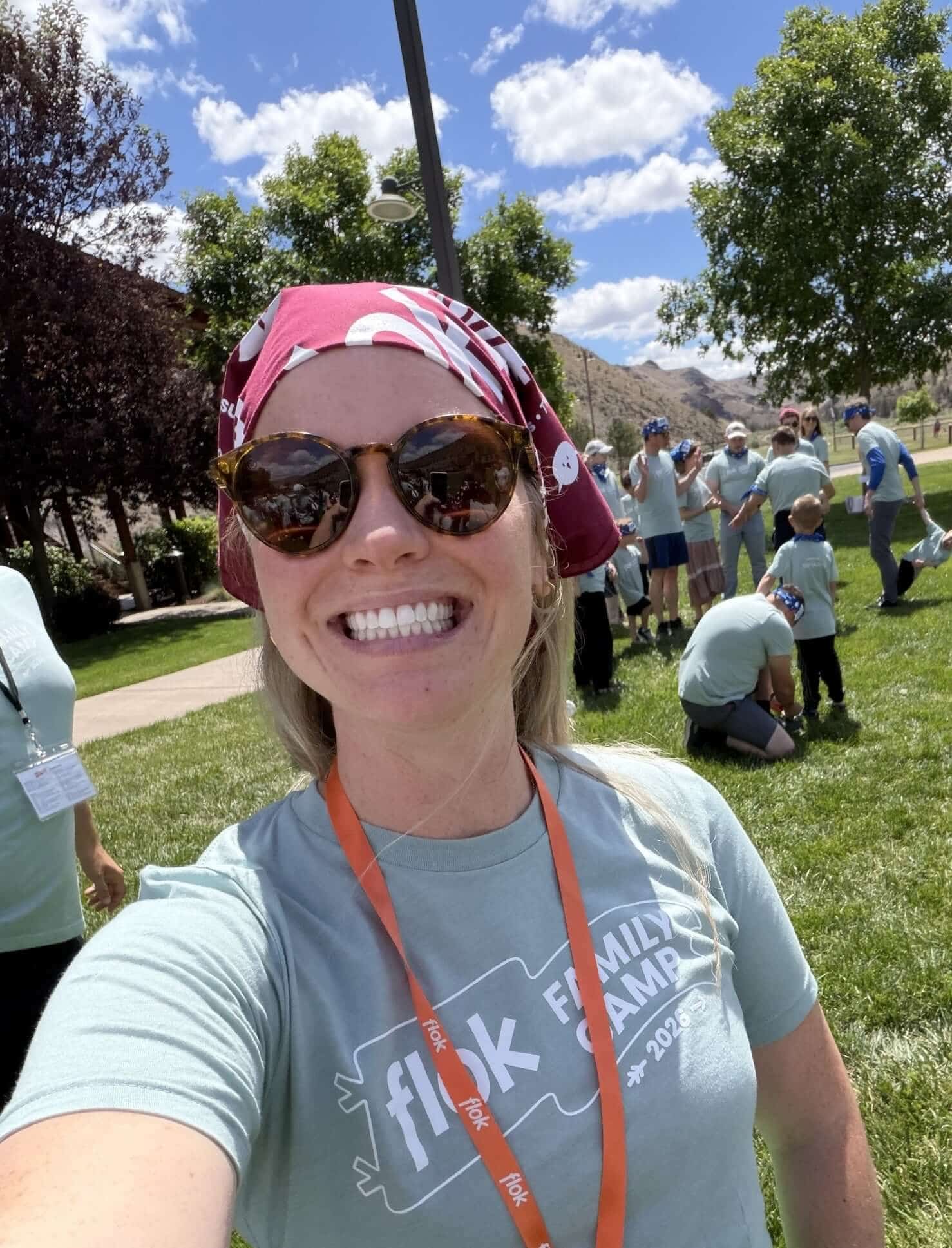
"Dr. Harding is so passionate about his work. He was so available throughout camp—if you had questions, you could just go talk to him."
Nicole also highlighted the learning that happens between families—and the value of being able to show up for caregivers of newly diagnosed children who are adjusting to the lifestyle, or wondering what adulthood will look like. “Parents could ask me questions and feel better about the future.”
The experience also offered clinicians and metabolic professionals a rare opportunity to hear directly from the people they serve.
Metabolic dietitian Kristin Cheng volunteered in the Family Camp kitchen for the first time this year, helping prepare meals while socializing with campers throughout the weekend.
"Spending time with patients and families at Family Camp reminded me that metabolic practice extends beyond guidelines, textbooks, and lectures. Hearing their stories has shaped how I approach clinical care."Food that Brings Everyone Back for Seconds
Every meal at Family Camp is carefully planned by an incredible team of chefs, dietitians, and volunteers to craft menus that are delicious, diverse, and dependable for campers managing low-protein diets.
For many families, that means something they rarely experience at home: the chance to relax.
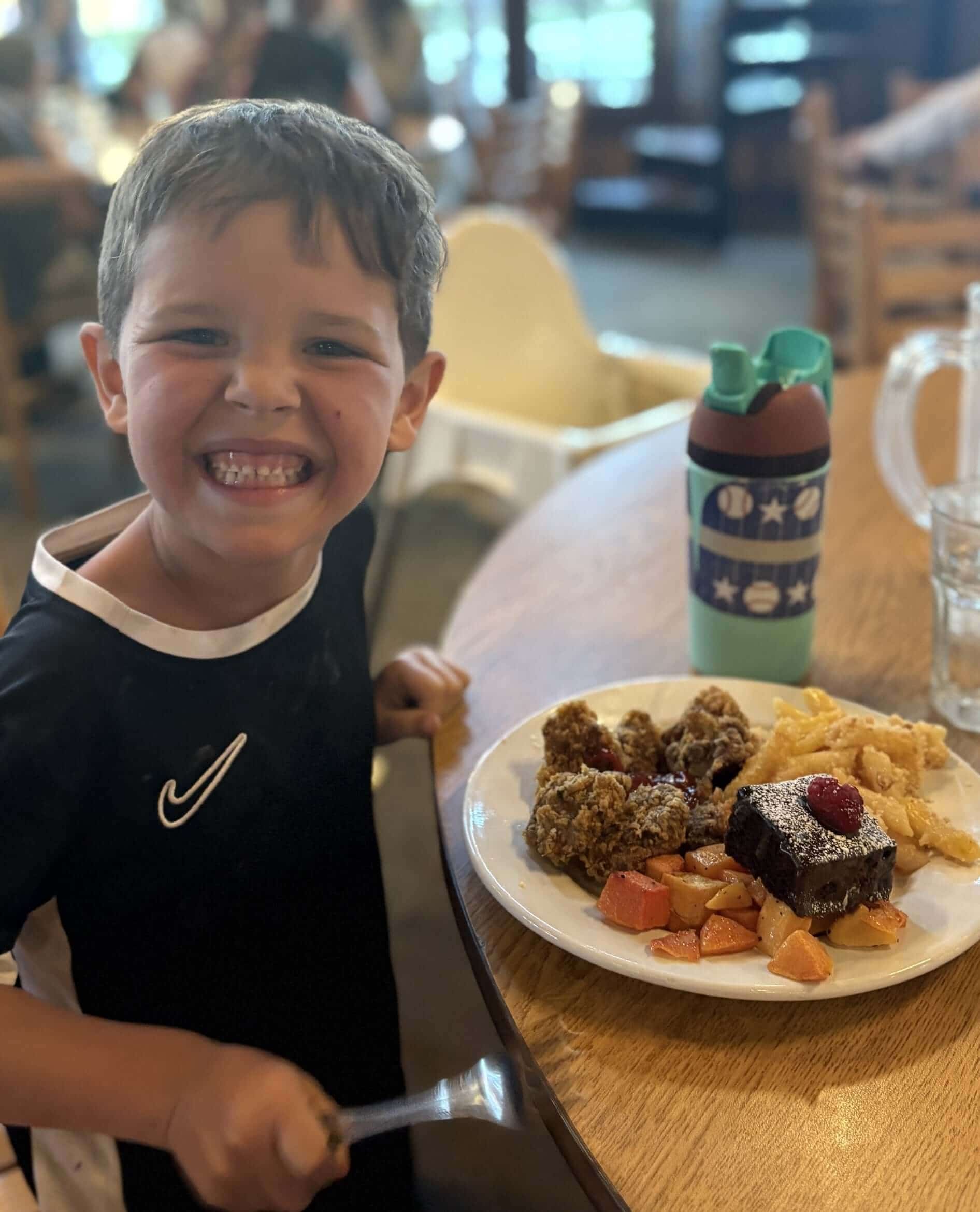
From colorful buffet meals to new cooking workshops featuring homemade sauces, pickling, and cookie painting, food remained one of the most talked-about parts of camp.
Nicole Weber shares, "It was probably one of the best foods I've ever had at a PKU event. I want to recreate the dill pickle pasta salad."
Kristen Molloy agreed. "I could not have asked for a more well thought-out low-protein meal."
A Weekend That Becomes Tradition
When asked what they would tell someone considering Family Camp for the first time, campers' answers were overwhelmingly similar. Nicole summed it up:
"You're going to be taken care of. You can eat anything, there are activities, and everything is well planned out. There's nothing to worry about."
As flok Family Camps continue to grow, so does the community that makes them possible. Whether it’s children realizing they aren't the only one drinking formula, an adult finding peers who share their lifestyle, or a clinician gaining new insight from the people they serve, camp creates something that cannot be replicated online—a place where our community gathers, grows together, and reminds one another that no one has to walk this path alone.
For the Marra family, that feeling is what keeps them coming back—"These camps will be core memories for our family forever."
Join us at Family Camp East
Family Camp East is just around the corner, and we'd love to welcome even more families and adults into the flok community! Join us September 17-20 at Camp Belknap on the shores of Lake Winnipesauke in Tuftonboro, New Hampshire.
Registration is open through August 10, with free registration for individuals with IMDS, reduced rate options, and financial assistance available. As one camper shared, “it’s an experience we wouldn’t miss for the world.”